
How to Create a Memory Kit
A Simple Way to Spark Connection
One of the most meaningful gifts you can give someone living with dementia isn't found in a store - it's the gift of connection.
As memory changes, conversations can become more difficult. Short-term memories may fade, but long-term memories often remain surprisingly vivid. A thoughtfully assembled memory kit can unlock stories, reduce anxiety, encourage conversation, and provide moments of joy for both caregivers and companions.
Whether you're visiting a parent, grandparent, spouse, friend, or client, creating a memory kit is an easy project that can make every visit more meaningful. They can also be totally fun to create.
What Is a Memory Kit?
A memory kit (sometimes called a reminiscence box) is a collection of familiar objects, photographs, scents, music, and keepsakes that encourage conversation and stimulate positive memories.
There's no right or wrong way to build one. The goal isn't to test memory, it's simply to create opportunities for connection. If you are supporting someone living with dementia, consider building a couple of different kits, maybe with different themes.
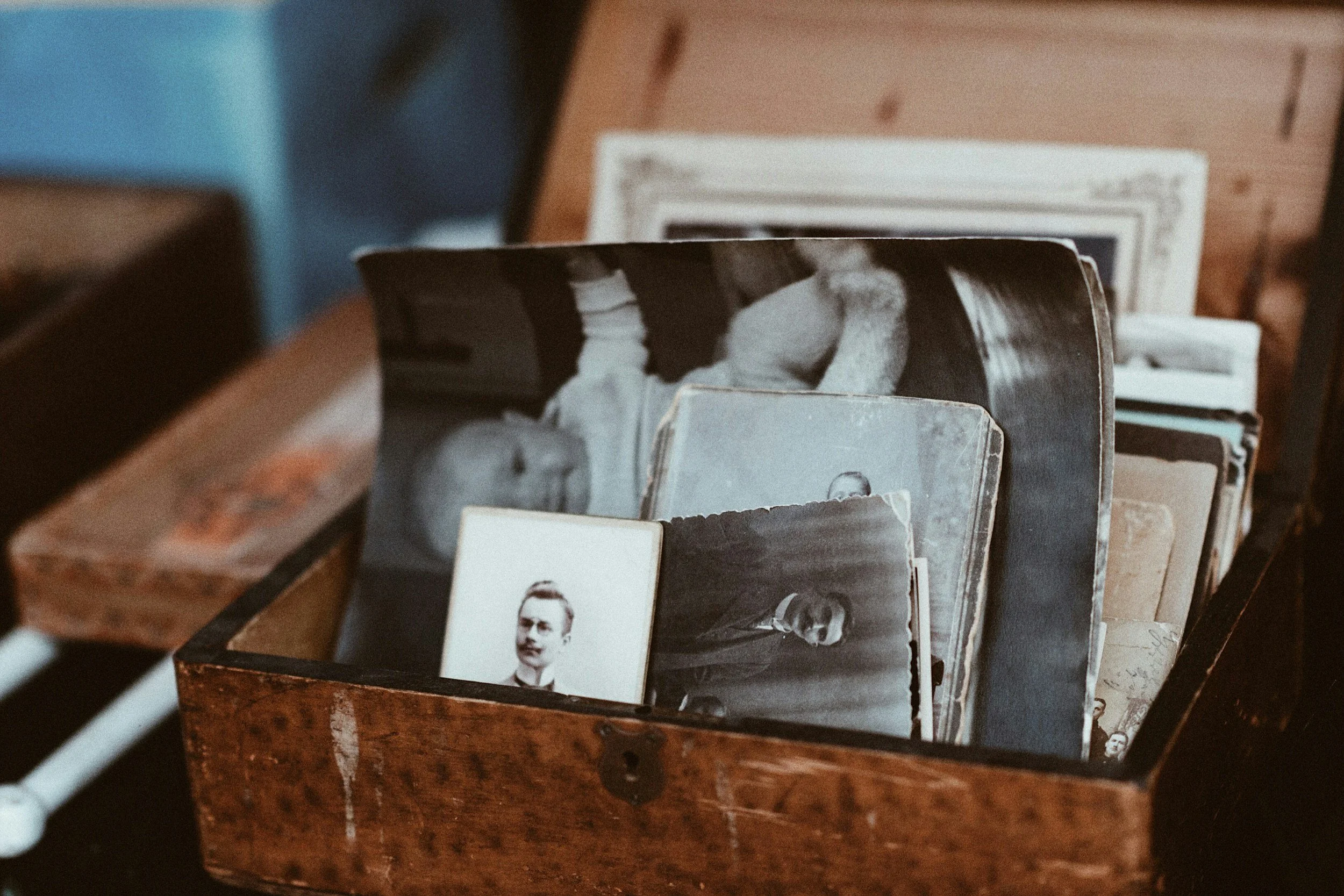
How to Build Your Kit
Choose Your Container. We like these photo storage boxes found at Michaels because they are large enough to hold large images; they are stackable and clear for easy storage; easy to carry; and the plastic box protects the contents.
Choose Your Contents…
Family Photographs - Choose photos from different stages of life. Include: Old wedding photos; childhood pictures; family vacations; holiday celebrations; old homes; favourite pets; grandchildren; career photos; a life highlights. Label names and dates on the back so future caregivers know who's who. *Tip… try not to prompt with “do you remember this?” - they may not remember, instead try prompting with something like “here are some photos from the family vacation to Disneyland”... and see where the conversation leads.
Music from Their Younger Years. Music has an incredible ability to reach parts of the brain that remain accessible even as dementia progresses. Create a playlist with songs they loved during their teens and twenties. Think about: their favourite artists, hymns, music they liked to dance to, wedding songs, and cultural or traditional music. Bring a small Bluetooth speaker or comfortable headphones.
Familiar Scent. Our sense of smell is strongly connected to memory. Try including items such as:
Lavender
Fresh coffee beans
Cinnamon
Vanilla
Pine needles
Leather
Soap they always used
A favourite perfume or aftershave
Always use scents gently and be mindful of allergies.
Meaningful Objects
Simple everyday objects often spark wonderful conversations.
Ideas include:
Old recipe cards
Knitting needles
Fishing tackle
Gardening gloves
Playing cards
Vintage magazines
Postcards
Military medals
Sewing supplies
Small tools
Maps
Souvenirs
You don't need expensive antiques - ordinary items often hold the greatest meaning. I once used an old farm themed calendar to work with my client who grew up on a farm. He loved it! We had a great conversation about growing up on the farm just using the calendar to prompt us.
Add Favourite Snacks. A favourite cookie, tea, or candy can create another sensory connection. Just be mindful of dietary restrictions and swallowing concerns.
Keep It Simple. A memory kit doesn't need to be large. Use the photo box we recommended, or simply a small basket, tote, or even a decorative box is perfect. Rotate items occasionally to keep visits fresh and engaging.
Conversation Starters
Instead of asking questions that require remembering details, invite storytelling.
Try asking:
Tell me about this picture.
What was your favourite job?
Who taught you to cook?
What games did you play as a child?
What was your first car?
What did you enjoy most about summer?
What was your wedding day like?
Who made the best pie?
There are no wrong answers.
Remember: It's About Feelings, Not Facts
If your loved one remembers something differently than you do, avoid correcting them. Instead:
Listen.
Smile.
Ask another question.
Follow their lead.
The goal isn't accuracy - it's comfort, companionship and connection.
Small Moments Matter
Meaningful caregiving isn't always about doing more. Sometimes it's sitting together with an old photograph, listening to a favourite song, smelling fresh coffee, and hearing a story you've already heard a hundred times.
Those small moments that matter.
At Simplifying Your Life Companion Care, we believe companionship begins with listening, sharing stories, and meeting people where they are. Sometimes the smallest conversations become the biggest memories - for both the caregiver and the person they love.
Your partner in simplifying,
Elizabeth