
Companion Care vs. Home Care: Understanding the Difference
Learn the 5 key differences between companion care and home care, and discover which type of support is right for your aging loved one.
As our loved ones age, many families find themselves navigating unfamiliar territory when it comes to support services. Two terms that are often used interchangeably are companion care and home care. While both help older adults remain independent and safe at home, they serve very different purposes.
Understanding the difference can help families choose the right support at the right time.
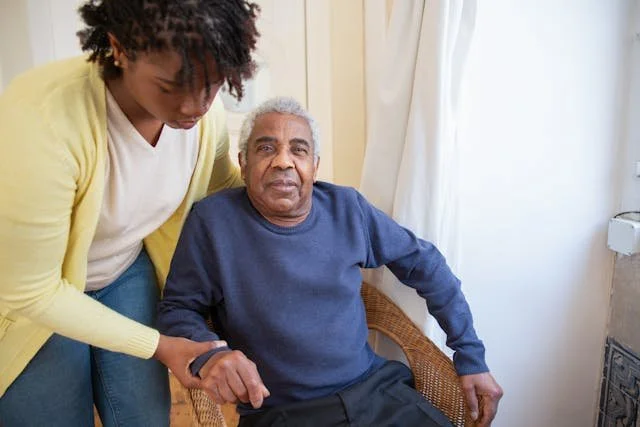
1. Companion Care Focuses on Social Connection; Home Care Focuses on Physical Assistance
Companion care is designed to address one of the biggest challenges many older adults face: loneliness and isolation.
A companion may visit regularly to chat, share a meal, play cards, attend appointments, go for walks, or simply provide meaningful social interaction.
Home care, on the other hand, typically focuses on personal care and physical assistance, such as:
Bathing
Dressing
Grooming
Mobility support
Medication reminders
Toileting assistance
Think of companion care as support for emotional well-being, while home care addresses physical care needs.
2. Companion Care Helps Maintain Independence
Many seniors are still capable of managing their personal care but may need a helping hand with day-to-day activities.
A companion can assist with:
Grocery shopping
Running errands
Transportation
Light meal preparation
Household organization
Accompanying clients to appointments or social activities
Because the focus is on assistance rather than caregiving, companion care often helps seniors maintain their independence longer.
3. Home Care Usually Involves Personal Care Training
Home care providers typically receive specialized training to assist with personal care tasks safely and professionally.
Companion caregivers generally do not perform hands-on personal care. Instead, they provide support, encouragement, supervision, and companionship.
This distinction is important when determining the level of care your loved one requires.
4. Companion Care Supports Mental and Emotional Health
Research consistently shows that social isolation can negatively impact both physical and mental health.
Regular visits from a companion can help:
Reduce feelings of loneliness
Increase engagement and activity
Improve mood
Provide routine and structure
Encourage participation in hobbies and community events
For many seniors, having someone to share a conversation with can be just as valuable as practical assistance.
5. Families Often Need Both Services Over Time
The reality is that care needs often evolve.
Many families begin with companion care when a loved one is still relatively independent but could benefit from social connection, transportation, or help around the home.
As health needs change, home care services may be added to provide personal care support.
The good news is that companion care and home care can work together, creating a customized support system that helps seniors remain safely in their homes for as long as possible.
Which Service Is Right for Your Loved One?
If your loved one is feeling isolated, needs help getting out into the community, or could benefit from regular social interaction and practical support, companion care may be the perfect fit.
If they require assistance with personal care activities such as bathing, dressing, mobility, or medication management, home care services may be more appropriate.
The most important step is having an honest conversation about current needs and future goals. Every senior's situation is unique, and the right support can make all the difference in helping them continue to live a safe, fulfilling, and independent life.
Aging at home isn't just about receiving care—it's about maintaining quality of life. Whether through companion care, home care, or a combination of both, the right support allows older adults to stay connected, engaged, and confident in their daily lives.